
Targeted
Repair
Find the fault and fix it: troubleshooting on the bench, then correcting the problem and confirming the instrument operates properly.
Repair vs. overhaul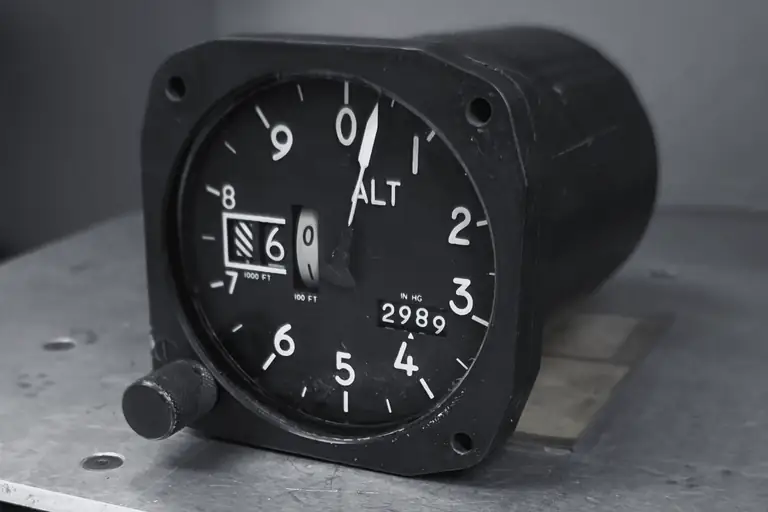
Altimeters, airspeed indicators and vertical speed indicators for helicopter and fixed-wing aircraft, repaired and overhauled at our instrument shop in Show Low, Arizona.
Pressure instruments
Pitot-static instruments read the air around the aircraft to show altitude, airspeed and rate of climb or descent.
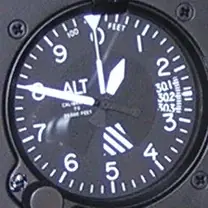
Show altitude from static pressure. Sealed aneroid capsules expand as pressure falls with altitude, and gearing turns that movement into the pointer reading, corrected by the barometric setting.
Common reasons for removal
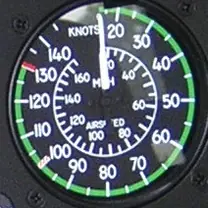
Show indicated airspeed. Pitot pressure fills a diaphragm inside a case open to static pressure, and the difference between the two moves the pointer.
Common reasons for removal
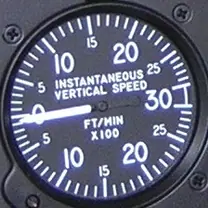
Show the rate of climb or descent. Static pressure feeds a diaphragm directly and reaches the case through a calibrated leak, so the two differ while altitude is changing.
Common reasons for removal
Don't see your instrument here? Check your part number against our full capabilities list.
Pitot-static system
A pitot tube facing into the airflow senses impact pressure. Static ports, usually flush with the side of the fuselage, sense the pressure of the surrounding air. Each instrument compares those pressures in its own way.
Because all three share the static system, a leak or blockage there affects every one of them.
Under 14 CFR 91.411, an airplane or helicopter flown under IFR in controlled airspace must have had its static system, altimeter and altitude reporting equipment tested and inspected within the preceding 24 calendar months. The altimeter test is set out in Part 43, Appendix E. An altimeter that doesn't pass can come to us for repair or overhaul.
| Instrument | Pitot pressure | Static pressure |
|---|---|---|
| Airspeed indicator Indicated airspeed | Yes | Yes |
| Altimeter Altitude | No | Yes |
| Vertical speed indicator Rate of climb or descent | No | Yes |
Pitot pressure reaches only the airspeed indicator. All three instruments read static pressure.
Service options
We evaluate every instrument on the bench, talk through what we found and recommend whether to repair or replace it. You choose how to proceed.
Bench evaluation
Targeted
Find the fault and fix it: troubleshooting on the bench, then correcting the problem and confirming the instrument operates properly.
Repair vs. overhaulComplete
Restore the whole instrument: it is disassembled, cleaned, inspected, repaired as necessary, reassembled and tested.
How it worksWhen downtime matters
When the aircraft can't wait for its own instrument, ask about an exchange. Options depend on the part number, so send it and we'll tell you what's possible.
About exchangesRefresh and modernize
When an instrument is beyond economical repair, or you're ready for more capability, we supply new instruments and avionics upgrades from Garmin, Mid-Continent, Sigma-Tek and more.
Sales & UpgradesCap the pitot and static fittings before packing, and don't blow into them. Questions before you ship? Call (928) 537-8400 or see how to pack and ship it.
Capabilities list
Find the part number on the instrument's data plate and send it to us. We'll check it against our capabilities list of more than 5,000 instruments.
Supported brands





Why CIA
FAA Part 145 certified with an Unlimited Rating, and EASA and FAA-PMA certified too. See our certifications.
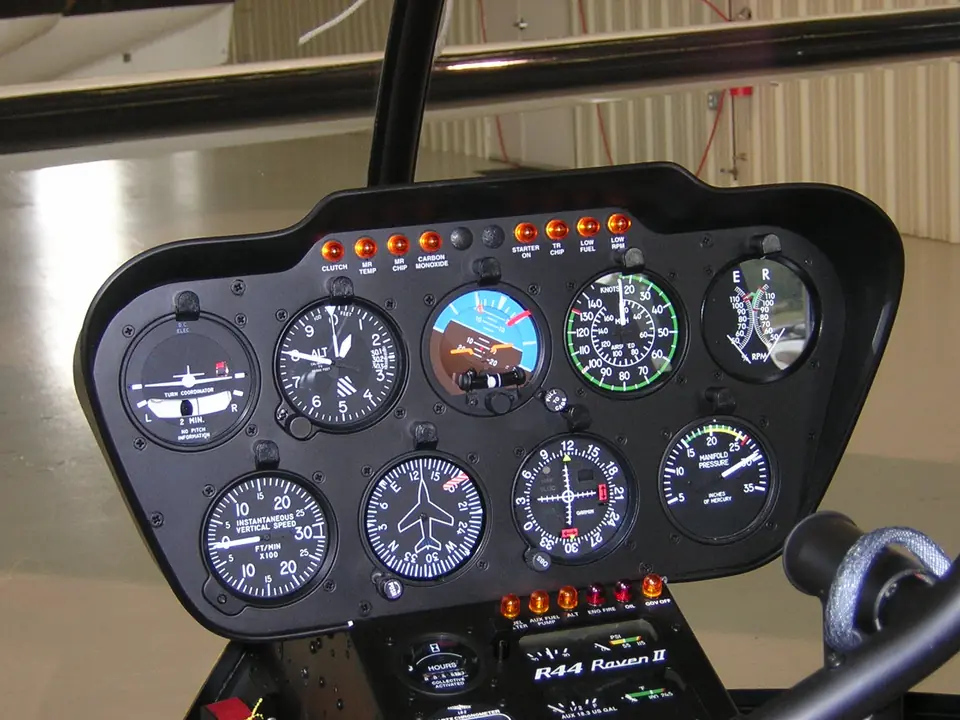
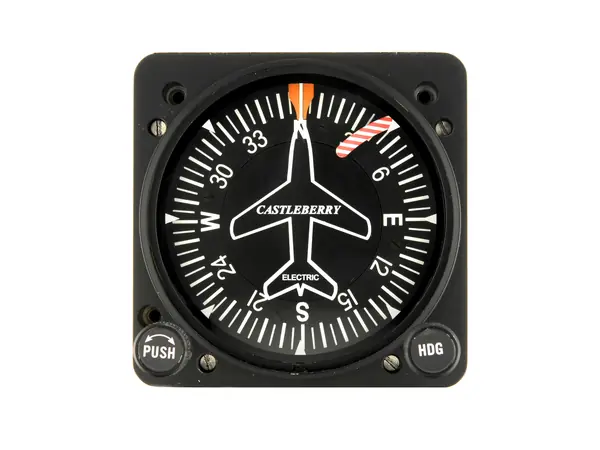
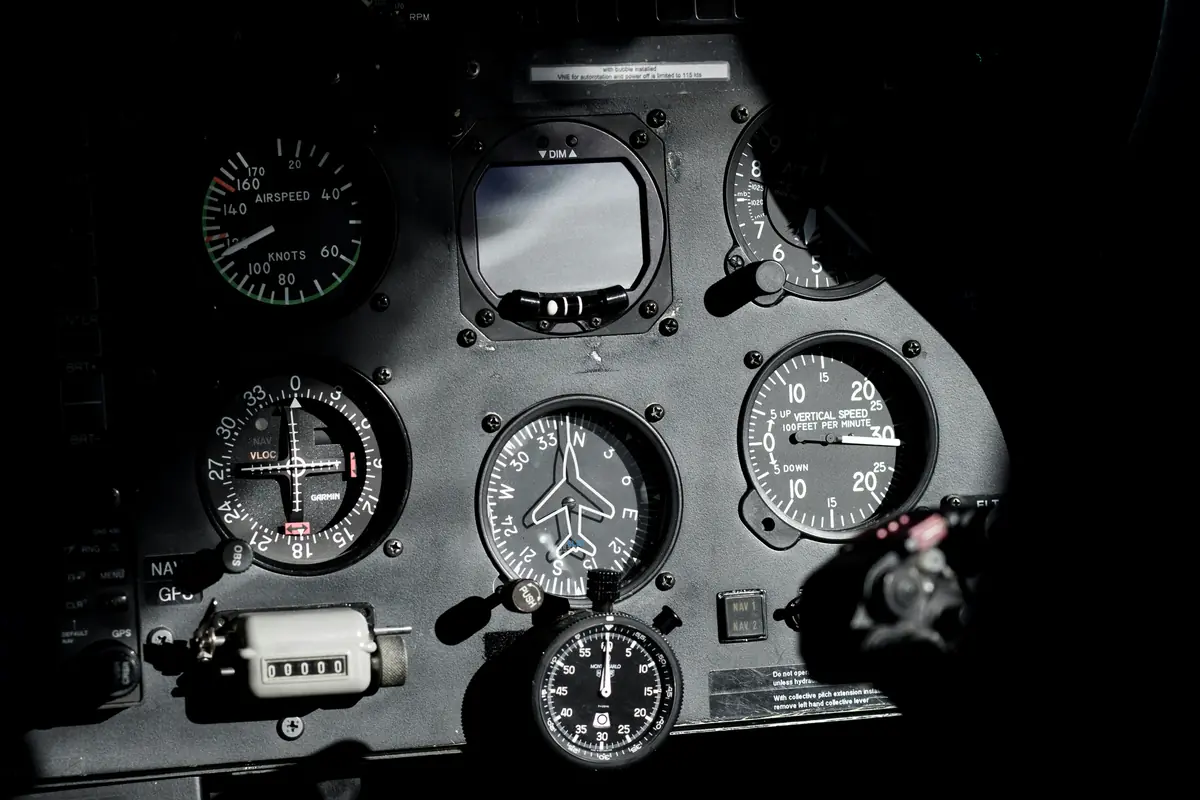
We repair and overhaul gyro instruments as well as pressure instruments, so every round gauge in a standard six-pack can come to one shop.
One instrument shop for helicopter and fixed-wing aircraft, whether you support a fleet or an agency, run a flight school or own a single aircraft.
Our sister company, Castleberry Aviation Services (CAS), offers custom aircraft paint and accessories, rotor blade paint and specialized rotor blade repair.
Related
Request service
Send the make, model and part number, and we'll help you choose between repair, overhaul, exchange and replacement for your instrument.